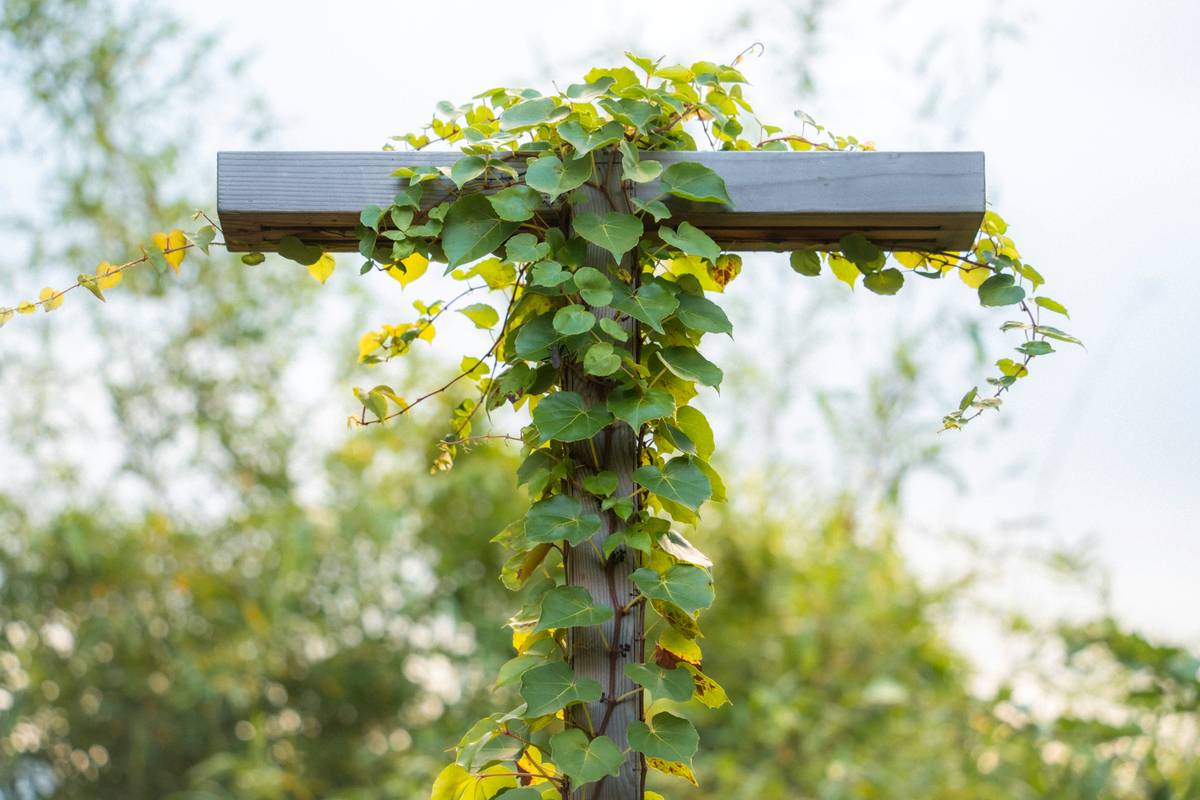
If you’ve ever stared at your tiny backyard wondering how to add charm without crowding it, you’re not alone. Many homeowners assume arbors are only for sprawling estates—but with the right small arbor design for garden, even a postage-stamp patio can feel like a private oasis. I learned this the hard way after installing a massive cedar arch that blocked my morning sun and made my dog do a detour just to reach his water bowl. Don’t repeat my blunder. In this guide, we’ll explore practical, space-savvy strategies to integrate elegant, functional arbors that enhance privacy, support climbing plants, and elevate your outdoor aesthetic—without overwhelming your square footage.
Table of Contents
- Why Small Arbors Matter in Modern Landscaping
- Step-by-Step Guide to Choosing & Installing Your Arbor
- 5 Best Practices for Long-Lasting Appeal
- Real-World Examples That Work
- Frequently Asked Questions
Key Takeaways
- A well-placed small arbor design for garden adds vertical interest without sacrificing floor space.
- Material choice (wood, vinyl, metal) directly impacts durability and maintenance needs.
- Positioning near seating areas or entry points maximizes visual and functional impact.
- Pair with fast-growing climbers like clematis or jasmine for quick privacy.
- Avoid oversized designs—measure twice, install once.
Why Small Arbors Matter in Modern Landscaping
Urban lots and compact patios are the new normal. According to the U.S. Census Bureau, the median lot size for new single-family homes has shrunk by over 11% since 1978. In tight outdoor spaces, every inch counts—which is why minimal yet intentional structures like arbors shine. Unlike bulky pergolas or full-wall screens, a thoughtfully scaled arbor defines zones, supports greenery, and acts as a living privacy filter—all while preserving openness.
Step-by-Step Guide to Choosing & Installing Your Arbor
1. Measure Your Space Honestly
Grab a tape measure. Note overhead clearance (overhead wires?), ground stability, and proximity to walkways. A standard small arbor ranges from 36 to 48 inches wide—ideal for narrow side yards or patio corners.
2. Pick the Right Material
Wood (cedar or redwood) offers natural beauty but requires annual sealing. Vinyl is low-maintenance and rot-resistant—great for humid coastal climates like Myrtle Beach. Powder-coated steel delivers modern flair and withstands wind, per guidelines from the American Society of Landscape Architects.
3. Anchor It Properly
Use ground stakes or concrete footings for stability. I once skipped anchoring during a “quick weekend project”—and watched my $200 arbor topple during a light summer storm. Save yourself the headache.
4. Choose Climbing Plants Strategically
Opt for lightweight vines like sweet peas or black-eyed Susan vine. Heavy plants like wisteria can warp lightweight frames over time. For year-round coverage, consider evergreen clematis (Clematis armandii).
5 Best Practices for Long-Lasting Appeal
- Paint or stain before assembly—it’s far easier than trying to reach joints after installation.
- Leave 18–24 inches of clearance on all sides for plant growth and cleaning access.
- Align with sightlines—position your arbor so it frames a view (birdbath, fountain, garden bed) when seen from indoors.
- Avoid the “garden gate” trap: Don’t attach an actual swinging gate unless you want constant squeaking and alignment issues.
- Mix materials intentionally—a wrought-iron top with wooden posts can look chic, but mismatched finishes often read as cluttered.
Real-World Examples That Work
A recent University of Florida IFAS Extension study found that homeowners who added vertical garden elements like arbors reported a 32% increase in perceived outdoor space satisfaction—even on lots under 5,000 sq ft. One Charleston homeowner transformed her 8×10-foot patio by installing a slim 42-inch arbor beside her bistro set. She trained star jasmine along its frame; within two growing seasons, she had fragrant, leafy privacy that filtered afternoon glare without blocking breezes. The key? She chose a small arbor design for garden that matched her home’s cottage architecture and kept the footprint minimal.
Frequently Asked Questions
Can I use a small arbor as a patio privacy screen?
Absolutely—especially when paired with dense climbers. While it won’t block noise like a solid wall, it breaks sightlines and creates psychological separation from neighbors.
How tall should a small garden arbor be?
Ideal height ranges from 7 to 8 feet. This clears most adult heads while supporting vigorous vine growth. Anything under 6.5 feet feels cramped.
What’s the worst material for humid climates?
Untreated pine—it rots quickly in high-moisture zones. Coastal residents should lean toward marine-grade vinyl or aluminum.
Do I need a permit to install an arbor?
Most municipalities don’t require permits for freestanding structures under 8 feet tall, but always check local zoning rules via your city’s planning department website.
Can I build a DIY small arbor design for garden cheaply?
Yes! Repurpose old ladders or use pre-cut kits from reputable retailers. Just ensure structural integrity—wobbly arbors are safety hazards.
Will an arbor attract pests?
Not inherently. However, dense foliage can harbor spiders or ants. Trim vines monthly and avoid mulching directly against posts to reduce risk.
Ready to transform your compact outdoor area with a charming, space-smart structure? Explore our full range of patio solutions or contact us for personalized recommendations. Learn more about our team’s landscaping philosophy on our About Us page, and review how we protect your data in our Privacy Policy.